If you have spent an evening on Pohnpei, you have probably heard it before you saw it: the steady, ringing rhythm of stones pounding roots on a flat basalt slab. That sound means sakau is being made, and people will soon gather to share it.
Sakau is Pohnpei’s version of kava, and it sits at the centre of the island’s traditional life. This guide explains what sakau in Pohnpei is, how it is prepared, how a formal ceremony works and what visitors should know about etiquette. Practices differ between Pohnpei’s chiefdoms and families, so treat this as an introduction rather than a rulebook.
What is sakau in Pohnpei?
Sakau in Pohnpei is a drink made from the pounded roots and lower stems of the kava plant, Piper methysticum, squeezed through hibiscus bark. It is shared in a set order in traditional ceremonies honouring chiefs, guests, life events and apologies, and also drunk socially. It numbs the lips and relaxes the body.
Where does sakau come from?
Kava is grown and drunk across many Pacific islands, and Pohnpei has its own varieties. Ethnobotany notes from the College of Micronesia-FSM describe two local types: rahmedel, with smooth, light stems, and rahmwanger, with darker, spotted stems.
The same notes record a legend that sakau came to Pohnpei from neighbouring Kosrae, where it is called seka. Like many origin stories, it is told in more than one way.
How is sakau prepared?
Preparation is a skilled, shared task, and every stage has its own name. According to the College of Micronesia-FSM course notes, a traditional preparation follows these steps:
- Pounding (mut). The root is pounded with basalt stones on a large flat stone called the peitehl. Taro leaves are placed around the stone to catch falling pieces.
- The rhythm. Pounders play a rhythmic tune on the stone. Rhythms vary by area and signal stages of the work.
- Squeezing (wengiweng). The pounded sakau is wrapped in strips of inner bark from the beach hibiscus (Hibiscus tiliaceus), then twisted and squeezed so the thick liquid runs into a cup.
- Final squeezes. The last extractions have their own names, and the spent pulp is called wensakau.
The notes add that women may pound and squeeze too, and that some squeezers are known for special techniques used only on particular occasions.
When is sakau used in ceremonies?
Sakau marks the moments that matter in Pohnpeian life. Occasions listed in the college’s ethnobotany notes include:
- A baby’s christening and first birthday
- A suitor asking a father for his daughter’s hand
- Traditional feasts and festivals (komadipw and related events)
- Presenting first fruits, such as yams, to the paramount chief
- Welcoming special guests and titled people returning from travel
- Funerals
- Formal apologies between families
What happens in a formal sakau ceremony?
Formal ceremonies usually take place in a nahs, a community feast house with a raised, U-shaped platform. Where people sit reflects Pohnpei’s title system, led by the Nahnmwarki (paramount chief) and the Nahnken (second-ranking chief) of each chiefdom.
The serving order
The first cups go to the highest titles in a set sequence. In one example from Sokehs described in the college notes, the first cup goes to the Nahnmwarki, the second to the Nahnken and the third to the Nahnmwarki’s wife, with the fourth returning to the Nahnmwarki to drink or pass to a guest. Other chiefdoms, such as Nett and Kitti, follow different sequences.
Silence, respect and the stone
During the opening round, people stay quiet, and the purpose of the gathering is announced afterwards. Nothing is placed on the sakau stone and no one sits on it. Titled people are called to the cup by title, and respectful high language is used when addressing high chiefs.
How the cup is passed
The cup is passed with the right hand, the right forearm resting across the left for support. The receiver does the same. The receiver acknowledges the cup by touching the server’s left forearm with their own. Drinkers often close their eyes as they drink, and looking into the cup is not done.
What should visitors know about sakau etiquette?
Guests are often welcomed with sakau, and being offered a cup is a sign of hospitality. A few simple habits show respect:
- Follow your host’s lead on where to sit and when to drink.
- Accept the cup the way others do: right hand holding it, right forearm resting across the left.
- Stay quiet during the formal opening cups.
- Never sit on or place items on the pounding stone.
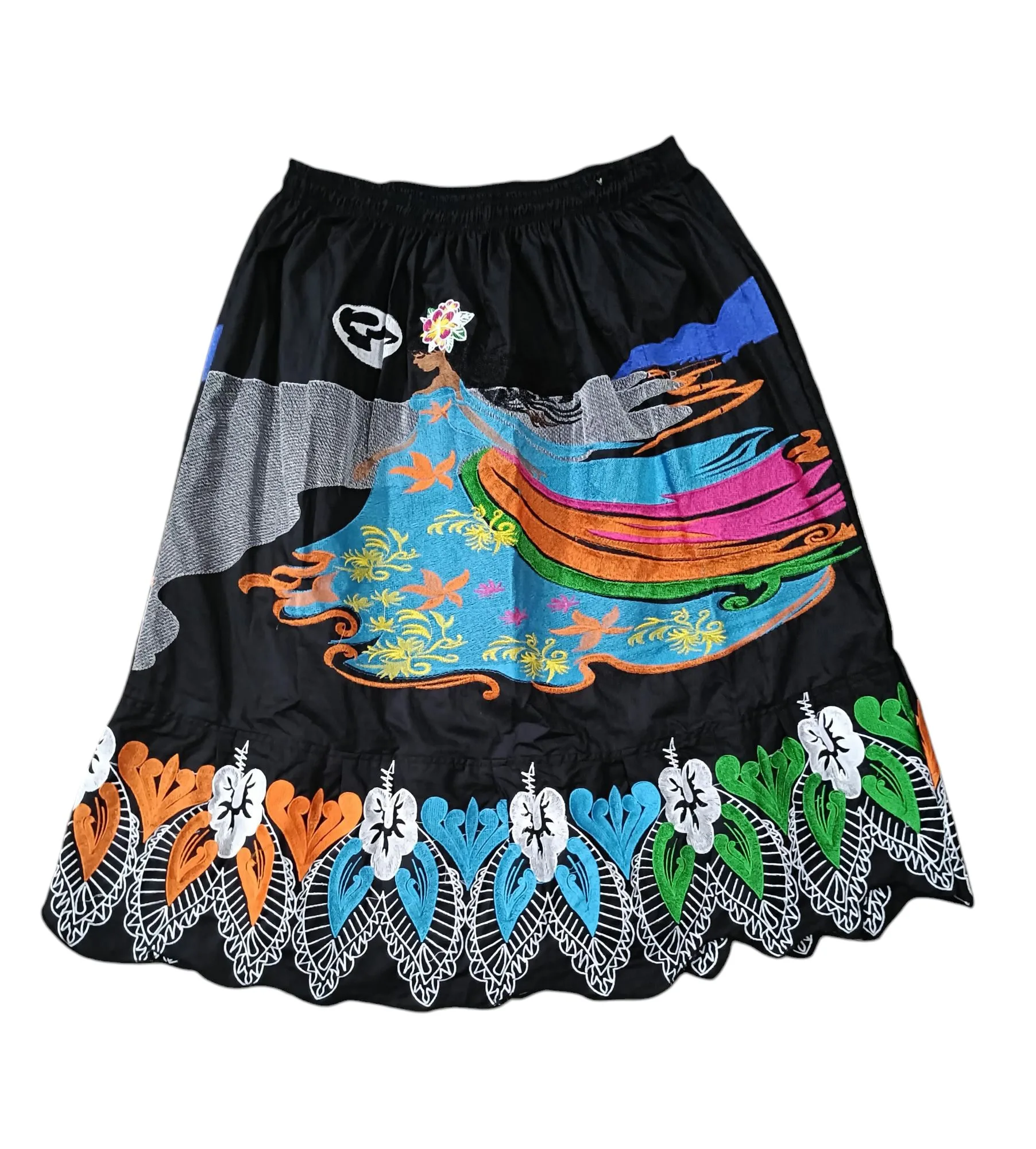
- Dress modestly and respectfully. If you are unsure what to wear, our guide to the Pohnpeian urohs skirt is a good starting point.
Sakau is also sold in local sakau markets and drunk informally. Some traditionalists, the college notes observe, are uneasy about this, because in a proper ceremony people are called to the cup rather than having it simply handed around.
Is sakau safe to drink?
This is a brief, general note, not medical advice. The California Department of Public Health summarises US health agency warnings that kava products can carry a risk of liver injury, particularly with heavy or long-term use, and that combining kava with alcohol may increase that risk. Kava also has sedative effects. If you have health concerns, talk to a doctor.
Key takeaways
- Sakau is Pohnpei’s kava, made from Piper methysticum root pounded on stone and squeezed through hibiscus bark.
- It marks christenings, marriage requests, feasts, funerals, welcomes and apologies.
- Formal serving follows the title system, and the order differs between chiefdoms.
- Visitors should follow their hosts, stay quiet during the opening cups and respect the stone.
To learn more about island dress and custom, read our guides to Micronesian traditional attire and Micronesian skirt designs and patterns, or browse our Micronesian skirts.
Frequently Asked Questions
Is sakau the same as kava?
Yes. Sakau is the Pohnpeian name for kava, the drink made from the root of Piper methysticum. Pohnpei has its own local varieties and preparation customs.
Why is sakau squeezed through hibiscus bark?
The inner bark of the beach hibiscus acts as a strong, fibrous strainer. The pounded root is wrapped in it and twisted so the liquid runs out while the pulp stays behind.
Who drinks first in a sakau ceremony?
In formal ceremonies, the first cups go to the highest-titled people present, usually the Nahnmwarki and Nahnken. The exact order varies between Pohnpei’s chiefdoms.
Can women take part in sakau ceremonies?
Yes. College of Micronesia-FSM notes describe women pounding and squeezing sakau, and high-titled women are served in formal ceremonies.
Does sakau have health risks?
US health agencies have warned of a risk of liver injury from kava products, especially with heavy use or alcohol. Seek medical advice if you have concerns.
Sources and further reading
- College of Micronesia-FSM, Ethnobotany: Sakau ceremony notes
- California Department of Public Health: Consumer facts on kava
Shop the Collection
Handmade Micronesian skirts, muumuus and island wear in sizes S–5XL, shipped worldwide.
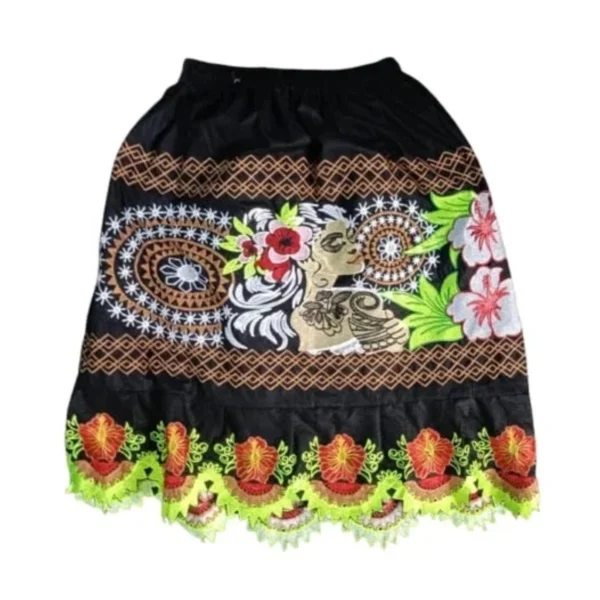
Midnight Ocean Hibiscus Micronesian Skirt
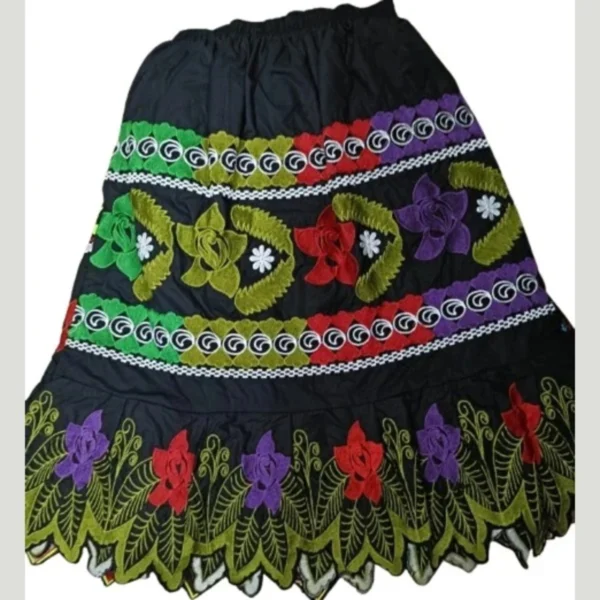
Original price was: $25.00.$20.00Current price is: $20.00.Premium Green & Purple Embroidered Micronesian Skirt
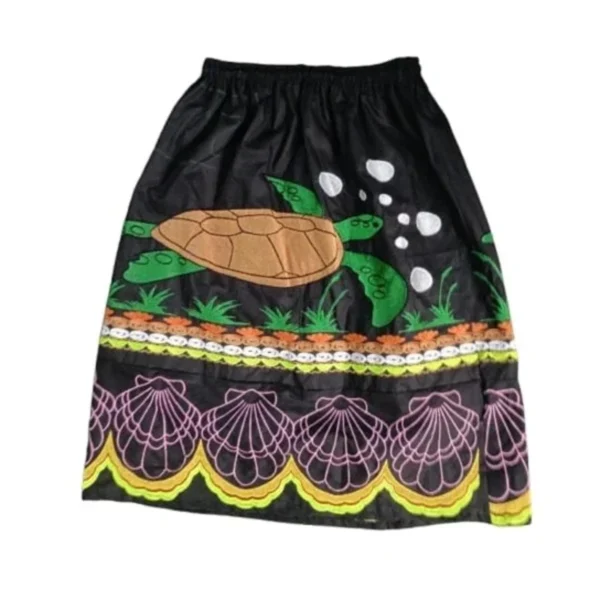
Original price was: $100.00.$70.00Current price is: $70.00.Sea Turtle Pohnpeian Skirt
Original price was: $25.00.$20.00Current price is: $20.00.